
Sick and dead geese are turning up across the Willamette Valley as highly pathogenic avian influenza (HPAI) spreads through migrating flocks. Oregon also confirmed its first case of the virus in dairy cattle on Nov. 10.
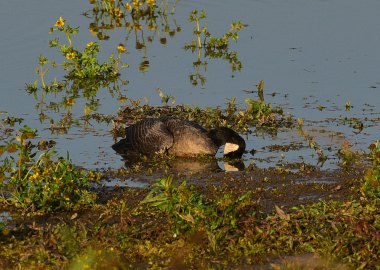
The Oregon Department of Fish and Wildlife reported Nov. 9 that HPAI cases in ducks and geese are climbing in the valley. The cackling goose, a smaller subspecies of the Canada goose, appears to be the most heavily affected species.
Infected waterfowl show lethargy, inability to fly, erratic behavior, loss of coordination, cloudy eyes and head shaking. Birds typically die within 72 hours of showing symptoms. Some dabbling ducks can carry the virus without symptoms, spreading it through feces to other birds and wetlands.
ODFW urges residents to avoid contact with sick birds and keep pets away. Dead birds can be disposed of using disposable gloves and a mask, then double-bagged before going in the trash. Sick birds cannot go to wildlife rehabilitation centers because of the risk of spreading the disease.
First Oregon dairy case confirmed
The dairy detection came from a Morrow County farm, according to an Oregon Department of Agriculture press release. Oregon's routine statewide milk surveillance program flagged the infection, with preliminary results reported Nov. 6 by the Oregon Veterinary Diagnostic Laboratory at Oregon State University. The USDA's National Veterinary Services Laboratory confirmed the positive result Nov. 10.
ODA placed the dairy under quarantine, restricting animal movement. No additional dairies have been identified as affected. Infected dairy cows are expected to recover within a few weeks in most cases, the agency said.
"While this detection is significant, it is not unexpected given the continued spread of HPAI among dairy cattle nationally," Dr. Ryan Scholz, ODA's state veterinarian, said in the release.
Public health officials are providing education to exposed farm workers and will monitor them for symptoms of avian influenza throughout the outbreak, according to the release. Dr. Melissa Sutton, medical director for respiratory viral pathogens at the Oregon Health Authority, said with proper protective equipment, "the risk to farm workers remains low."
No human cases tied to this incident have been identified in Oregon.
Backyard flock owners on alert
The virus also struck a commercial poultry flock in Clackamas County. The USDA confirmed the case Nov. 4, according to an ODA press release. It was the first confirmed commercial poultry case in Oregon in 2026. The state veterinarian quarantined the flock, and no animals or products from the farm entered the food supply.
The threat is real for backyard flocks, too. ODA advises owners to prevent poultry from contacting wild waterfowl, limit co-mingling of species, wash hands before and after handling birds, and disinfect equipment and footwear.
According to the CDC, the risk to the general public remains low. Since 2024, there have been 74 human cases of avian influenza in the United States and three deaths. No cases of person-to-person transmission associated with this virus have been identified.
Residents who find sick or dead domestic birds should call ODA's disease reporting hotline at 503-986-4711. Dead or sick wild birds can be reported to ODFW at 866-968-2600 or by emailing [email protected].