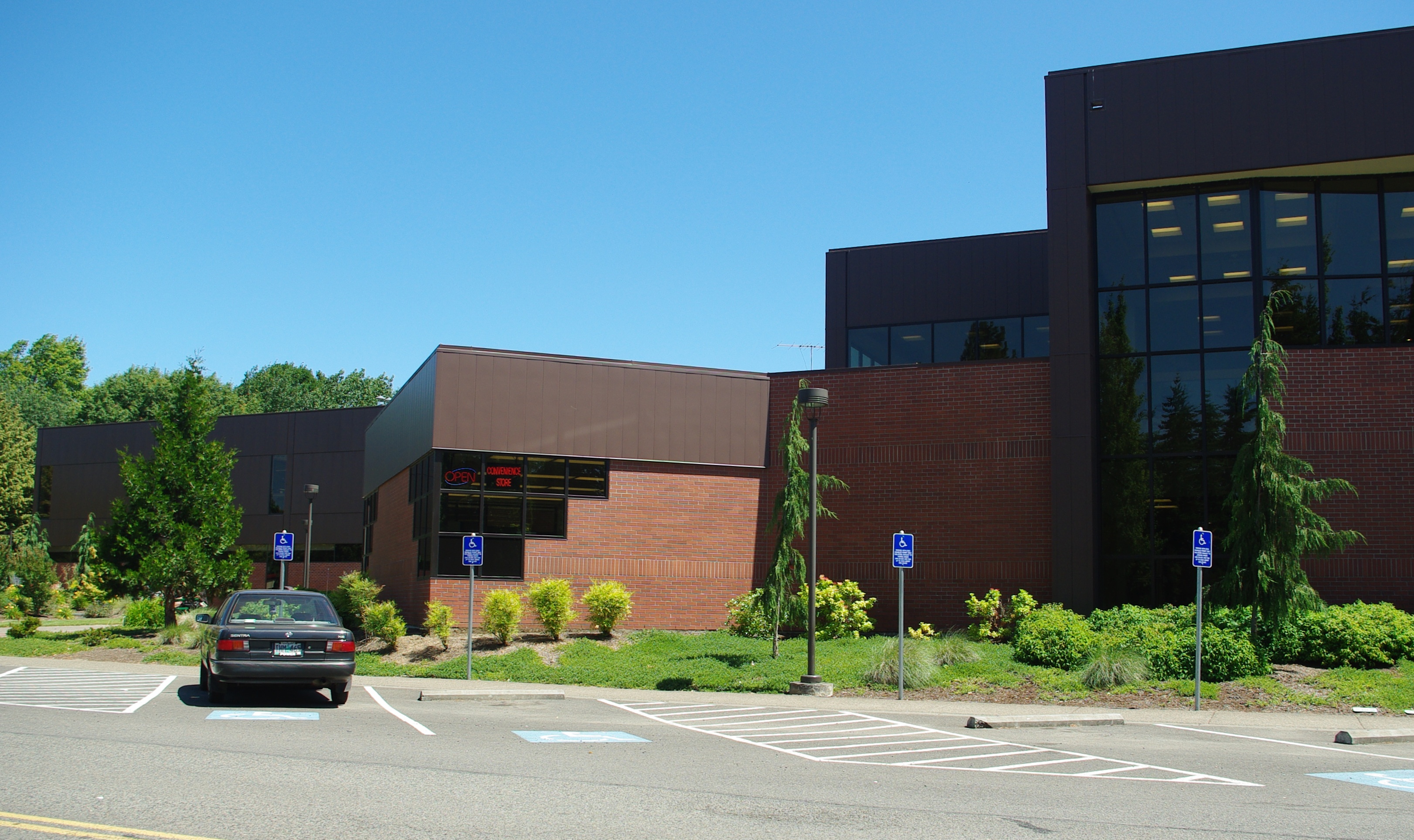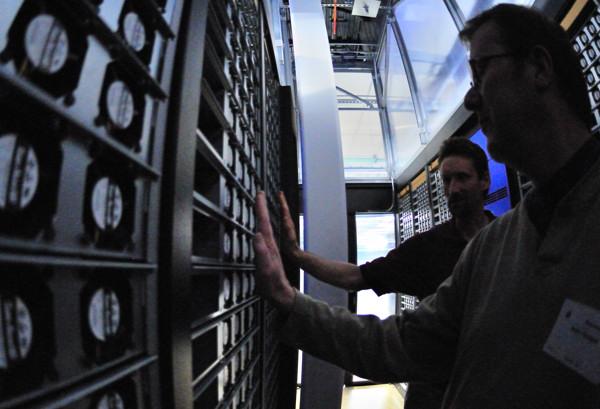
Gov. Tina Kotek froze all data center air and water permits in Oregon until July 2027, widening a statewide crackdown that already includes Salem's own construction moratorium.
The Oct. 9 directive to Oregon Department of Environmental Quality (DEQ) Director Leah Feldon blocks most large "hyperscale" data centers from building on public or private land in the state, OPB reported. Kotek wrote that the pause would give her time to review recommendations from her Data Center Advisory Committee before the 2027 legislative session.
The freeze lands as a Columbia Business School report pegs the national data center buildout at $10 trillion in investment, nearly 4% of the country's annual economic output (gross domestic product), first reported by Stateline on Oct. 17. That dwarfs the 19th-century railroad expansion, which consumed about $173 billion in today's dollars over 20 years, according to figures professor Stijn Van Nieuwerburgh provided to Stateline.
Oregon is among the top 10 U.S. markets for data centers, according to Pew Research. The state has more than 120 facilities spanning more than 2,000 acres, with communities planning for 9,000 more, according to state data reported by The Oregonian.
The boom has collided with affordability fears. Portland General Electric (PGE) and Pacific Power residential rates are more than 50% higher than five years ago, more than twice the rate of inflation since 2020, the Salem Business Journal reported in August, citing federal energy data. PGE's data center demand grew nearly 70% over the past decade. Residential demand grew roughly 1% a year.
A July analysis from Carnegie Mellon University and North Carolina State University found that data centers and cryptocurrency mining could raise electricity bills 8% nationally and as much as 25% in parts of Virginia, Stateline reported.
Salem's City Council unanimously adopted its own 120-day moratorium on data center construction Sept. 21, according to the Salem Business Journal. Seven members, including Mayor Julie Hoy, voted in favor.
"A moratorium is needed so that we can evaluate all of the risks that are in front of us," Councilor Linda Nishioka said before the vote.
Marion County has no operational data centers.
The Verrus Oakline at Mill Creek application, submitted before the moratorium, remains under city review, though construction is prohibited while the pause holds. Kotek separately terminated the state's contract for the sale of roughly 32 acres at the Mill Creek Corporate Center for a proposed data center project, according to the governor's office.
Gov. Tina Kotek established Oregon’s Data Center Advisory Committee in Jan. 2026 to examine how data center development could proceed while protecting the state’s resources and communities. In its Sept.10 preliminary report, the committee said it had received more than 700 substantive written publiccomments, which raised concerns aboutenergy affordability, taxation and incentives, water, climate and airquality.
Utility affordability was the most frequently expressed concern. The report also found that Oregon’s surface and groundwater rights are, for all practical purposes, fullyallocated statewide. Data center developers must acquire an existingwater right or work within a municipalwater allocation, the report said.
Oregon's 2025 POWER Act (House Bill 3546) created a separate rate class for large energy users. Under the law, PGE data center rates rose about 29% while residential rates fell 1.3%, benefiting roughly 858,000 residential customers and 105,000 commercial and industrial ratepayers, according to the state Public Utilities Commission.
Amazon Web Services, which operates Oregon's largest data centers, pushed back. Shannon Kellogg, vice president of Amazon Web Services public policy for the Americas, said in a statement that the directive would "eliminate thousands of construction jobs … halt billions of dollars in planned investment."
Salem's Data Center Task Force is expected to present recommendations to the council Dec. 7. Oregon's legislature convenes in January, where lawmakers plan to consider bills responding to the advisory committee's findings.