Oregon's 12,000 state prisoners will receive tablets by early winter as the Salem-headquartered Department of Corrections phases out paper mail to cut off a major drug-smuggling route.
Corrections Director Michael Reese and Inspector General Ryan Dwyer briefed the Senate Interim Judiciary Committee on Tuesday, Sept. 8, on the rollout.
The agency expects to have the devices ready in November, though OregonLive reported that exactly when they will reach prisoners' hands remains unclear.
DOC spokesperson Amber Campbell told OregonLive the agency expects to assign tablets by early winter.
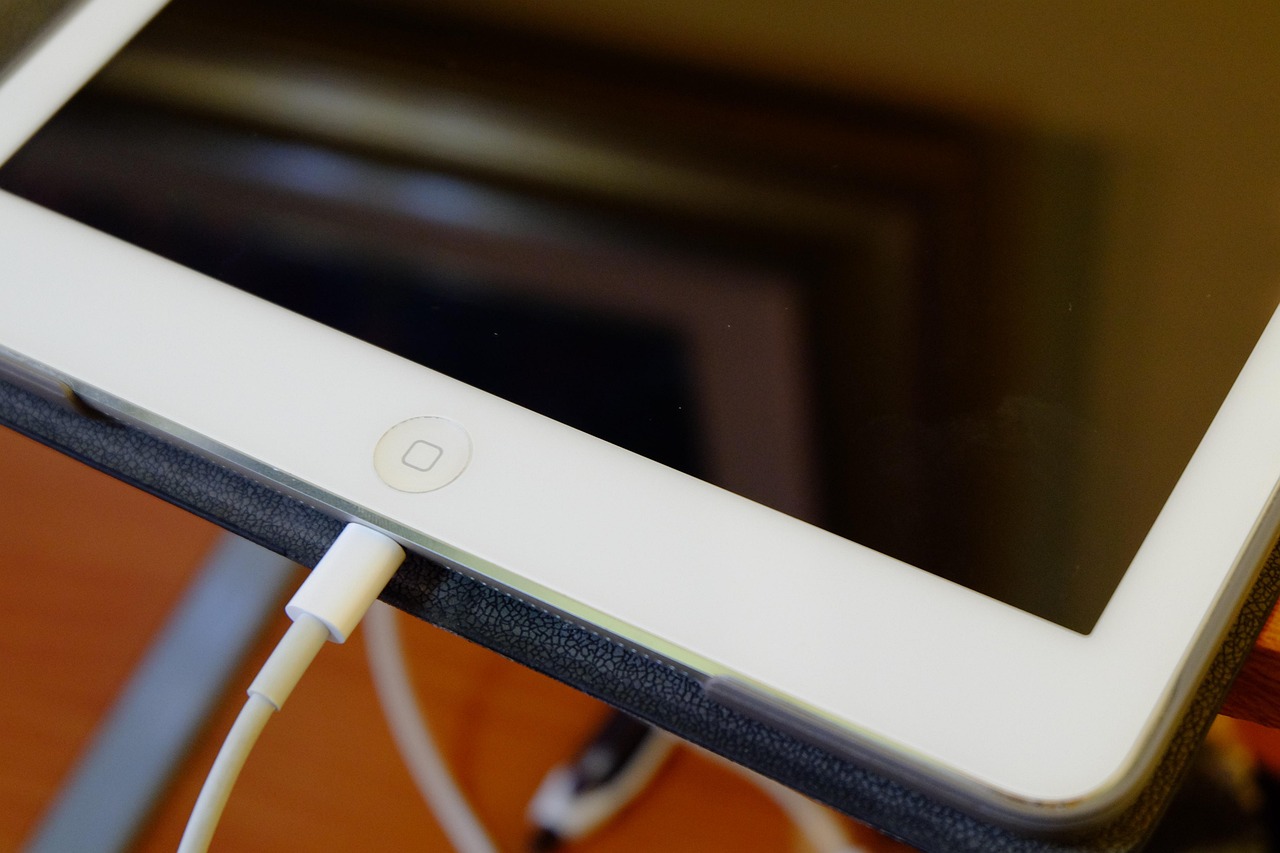
The tablets will let prisoners send electronic messages, watch movies and play games.
They will not support phone calls. Prisoners will pay for messaging, movies and games, with fees flowing directly to IC-Solutions, the San Antonio-based company providing the devices.
A report submitted to lawmakers pegged electronic messages at 25 cents each. Calls through the existing phone system cost 9 cents per minute. Movie and video-game fees will be calculated based on usage, officials told the committee.
The agency has run a tablet pilot program since 2020. The statewide expansion is part of a broader push to eliminate paper mail, which corrections officials have identified as the primary way drugs enter Oregon's 12 prisons.
The DOC tightened mail rules on Feb. 1, 2025, banning non-white envelopes and cardstock. Chief of Security Brian Stephen told the Prison Journalism Project in December 2025 that the changes were meant to reduce "opportunities to conceal illicit substances in the mail."
Scanned copies of prisoners' mail will eventually appear on the tablets, likely sometime in 2027, officials said. Reese told the committee he hopes to eventually shift healthcare request forms and the handwritten notes known as "kites" to the devices as well. Prisoners use kites to raise questions and concerns with corrections staff.
A July 2026 Secretary of State audit found the DOC relies on IT systems so outdated that one uses a programming language that "hasn't been taught in colleges for decades," OregonLive reported. The same audit found an $861 million deferred maintenance backlog across the system's 12 facilities, according to OPB.
In the most recent state budget cycle, DOC officials sought funding for three IT initiatives. Only one was fully funded.
Prisoner advocates and the state's former corrections ombudsman have pushed for free phone access, citing high rates that strain family ties. That effort has not gained traction.
No follow-up hearing date before the Senate Interim Judiciary Committee has been announced.