
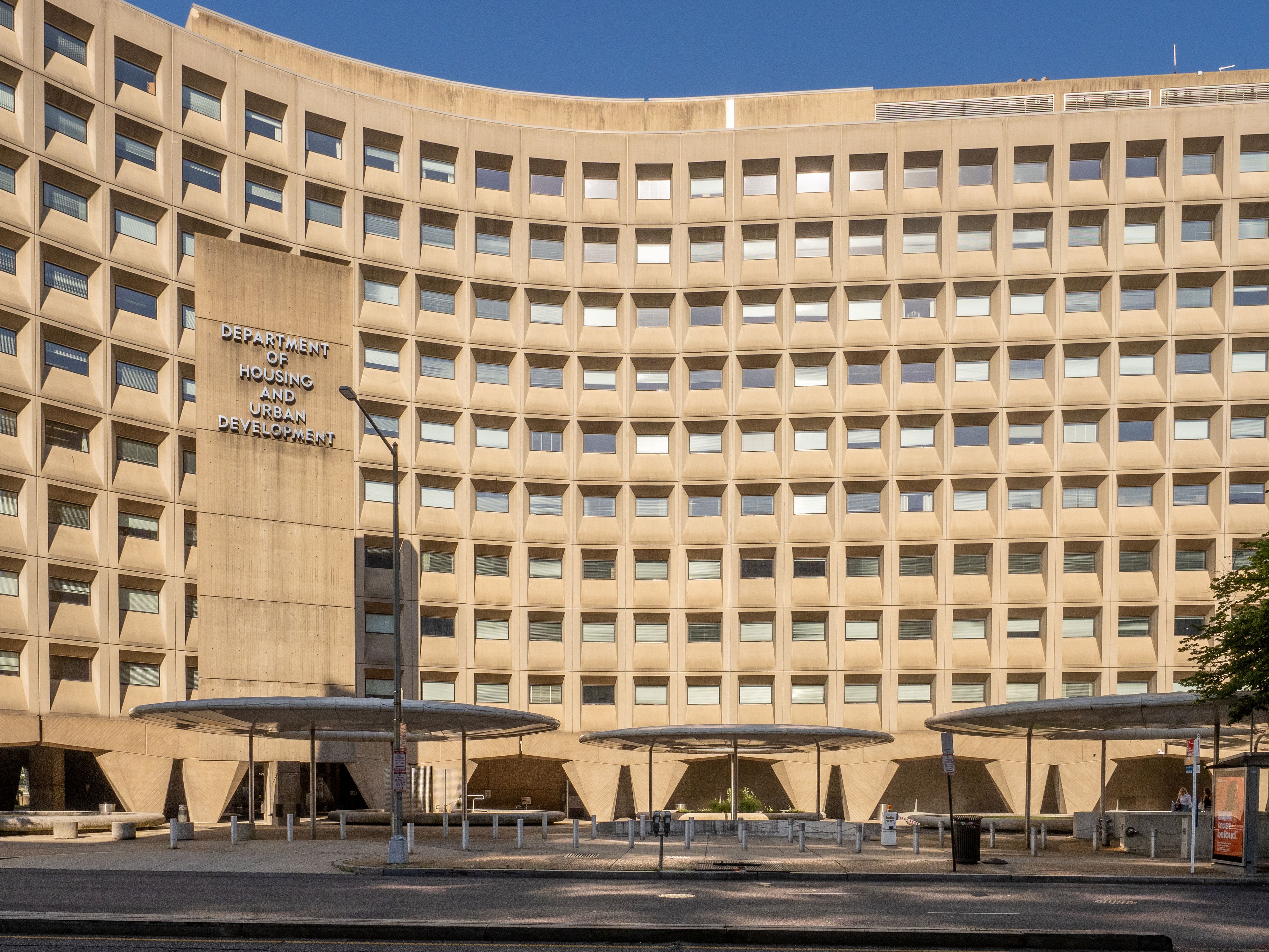
Oregon Attorney General Dan Rayfield joined a multistate lawsuit Monday, Nov. 23, seeking to block a U.S. Department of Housing and Urban Development rule that could strip thousands of mixed-status families of federal housing assistance.
The Oregon Department of Justice announced the lawsuit, filed in U.S. District Court for the District of Massachusetts. The challenge targets a HUD rule published Nov. 12 that requires verification of U.S. citizenship or eligible immigration status for every member of a household receiving assistance through covered federal housing programs.
The rule takes effect Dec. 14, 2026. It changes a policy that has allowed mixed-status families to receive prorated assistance — reduced benefits based on the number of household members eligible for aid — for nearly 30 years.
Under the new rule, prorated assistance would generally become temporary while housing agencies verify every household member's eligibility. If a family member is determined ineligible, the household could lose assistance, although the rule retains provisions for continued assistance or temporary delays in termination for certain families.
The requirements apply to covered programs, including public housing and Section 8 rental assistance. Salem residents receiving assistance through those programs would be subject to the same federal requirements.
"This rule tells a child born in this country that the only way to keep their home is for their mom or dad to leave," Rayfield said in the Oregon DOJ announcement. "Pushing these families out of their homes means more Oregonians at risk of homelessness and higher costs for our communities."
HUD estimates that about 20,000 mixed-status families nationwide, totaling 78,100 people, could lose housing assistance under the rule, according to the states' lawsuit. That includes an estimated 55,000 people who are eligible for assistance in their own right, many of them children and seniors. The states say HUD acknowledges the rule could lead to evictions and homelessness.
New paperwork for tenants
The rule also changes documentation requirements for U.S. citizens in covered HUD housing programs.
Citizens must provide a signed declaration, disclose their Social Security numbers and consent to verification through the federal Systematic Alien Verification for Entitlements database, known as SAVE.
If electronic verification cannot confirm a person's citizenship, housing agencies may require additional documentation. Acceptable evidence listed in the rule includes an original or certified U.S. birth certificate, naturalization certificate, consular report of birth abroad or valid, unexpired U.S. passport.
The states' lawsuit cites estimates that about 3.8 million adult U.S. citizens nationwide do not have a document proving their citizenship, while another 17.5 million face barriers to obtaining one.
The states also argue that the SAVE system has a record of errors that could result in eligible citizens being incorrectly flagged during verification.
States warn of rising costs
The states argue that the rule could increase homelessness and shift costs to state and local governments. HUD's regulatory analysis cites studies estimating that sheltering a person experiencing homelessness can cost governments between $20,000 and $50,000 annually.
The lawsuit also says HUD acknowledged that the loss of rental assistance could leave subsidized apartments vacant, reduce rental income for housing providers and lead some private landlords to stop accepting Section 8 vouchers.
The complaint names HUD and Secretary Scott Turner as defendants. The states argue the agency exceeded its authority because Congress addressed prorated assistance in federal law in 1997, allowing mixed-status families to receive reduced benefits rather than automatically losing assistance.
The states also allege HUD violated the Administrative Procedure Act by failing to provide a legally adequate basis for the policy change.
Oregon joined attorneys general from California, New York, Massachusetts, Arizona, Colorado, Connecticut, Delaware, Hawaiʻi, Illinois, Maine, Maryland, Michigan, Minnesota, New Jersey, New Mexico, Rhode Island, Vermont, Virginia, Washington and Wisconsin, as well as the District of Columbia. Pennsylvania Gov. Josh Shapiro also joined the lawsuit.
Rayfield is asking the court to declare the rule unlawful, strike it down and block HUD from enforcing it in the plaintiff states.