Salem residents should brace for a winter of heavy rain, higher flood risk and a possible 2027 drought, Oregon's state climatologist warned Monday, Sept. 7.
Oregon State Climatologist Larry O'Neill told OPB that a "super El Niño" is building in the Pacific Ocean. The National Oceanic and Atmospheric Administration (NOAA) puts the probability of a very strong event at 90%, according to the report.
"We don't want people caught off guard with potential for either flooding or a lot more rain than they were expecting," O'Neill said.
Unlike the three previous super El Niños since the 1980s, which brought heavy snow and above-average snowpacks, O'Neill said climate change means most precipitation will fall as rain this time. Last winter produced Oregon's worst snowpack in the state's recorded history.
Landslides and burn scars
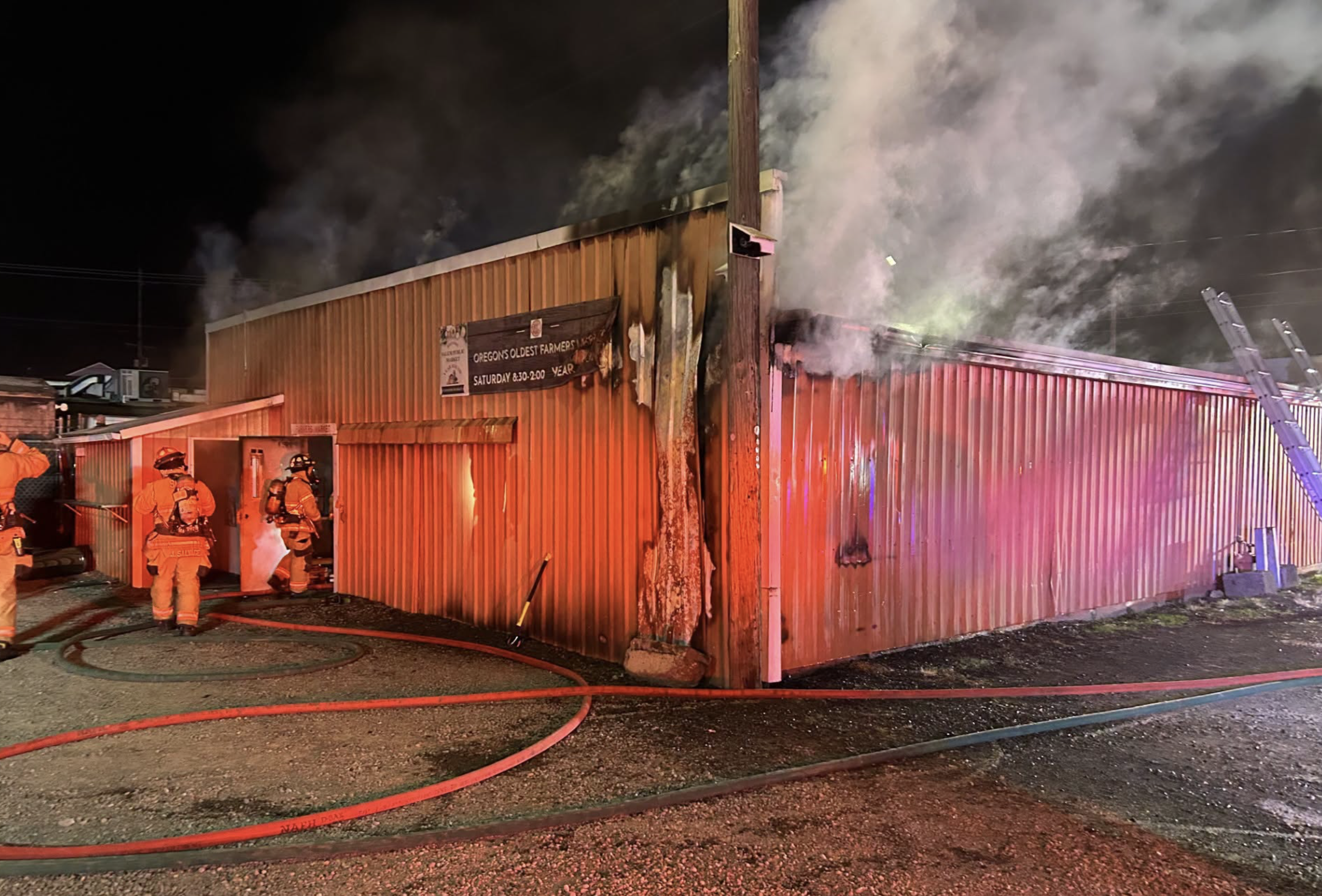
Heavy rain on fire-scarred ground is the immediate concern for the Salem area. Oregon's 2026 wildfire season burned more than 2.6 million acres statewide, at a record cost of roughly $236.2 million as of Aug. 20, according to a Legislative Fiscal Office analysis reported by KYKN.
The Oregon Department of Emergency Management warns that burn scars increase flood and debris flow risks for several years.
The Santiam Canyon, scarred by the 2020 Beachie Creek and Lionshead fires, has remained vulnerable. Debris flows hit near Mill City and Gates in early 2021.
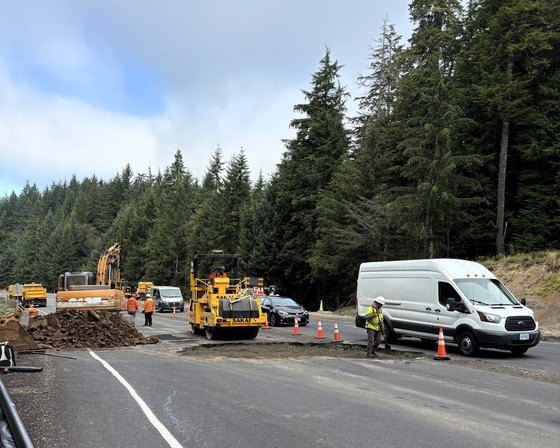
Statewide, landslides already affect nearly 500 miles of Oregon highway, according to OPB's reporting on ODOT. The Oregon Department of Transportation (ODOT) spends about $2.5 million a year on landslide mitigation and $18.1 million on landslide-related repairs. A wetter winter could compound that problem.
Drinking water at stake
The forecast adds urgency to the fight over Detroit Lake. Marion County filed a motion for a preliminary injunction Aug. 10 against the U.S. Army Corps of Engineers' planned deep drawdown of the reservoir. The county cited the El Niño forecast as evidence the drawdown endangers drinking water for roughly 220,000 people downstream.
Salem filed its own preliminary injunction Aug. 25. The city's primary drinking-water source is the North Santiam River below Detroit Dam, treated at the Geren Island Water Treatment Facility. Salem has invested nearly $8 million in groundwater wells and aquifer storage as backup supplies.
The vulnerability is not hypothetical.
In late December 2025, storms increased turbidity in the North Santiam River, limiting production at Geren Island and forcing Salem to temporarily draw water from Keizer's groundwater system, according to the Salem Business Journal.
Marion County Commission Chair Colm Willis said in a county statement Aug. 11, when the county filed its injunction motion, that "risking the drinking water of our communities while harming thousands of fish is patently absurd."
What comes next
O'Neill cautioned at an Aug. 25 NOAA drought outlook meeting that reservoir storage across the Pacific Northwest was being substantially depleted, leaving little hope for water carryover into 2027, as the Oregon Capital Chronicle reported. A second consecutive low-snowpack winter could set the stage for drought and warm streams that threaten salmon migration.
The Army Corps' Detroit Lake drawdown is scheduled to begin between Nov. 1 and Dec. 31.