Oregon's first youth-focused overdose prevention campaign launched Aug. 26, giving Salem-area schools and families free tools to talk about fentanyl and respond to emergencies.
The Oregon Health Authority (OHA) and Oregon Department of Education (ODE) announced "Friends for Life," targeting teens and young adults ages 13 to 25. The campaign, adapted from a Washington state program, offers resources at orfriendsforlife.com covering fentanyl awareness, naloxone use and overdose response.
"Young people want to be there for their friends, so we need to equip young people and the adults in their lives to talk openly about drugs, mental health and supporting each other," said Tom Jeanne, M.D., deputy state health officer at OHA, in the announcement.
OHA timed the launch to coincide with students returning to high school and college campuses across the state.
Why it matters locally
OHA is headquartered in Salem, and the city is home to one of Oregon's three public Recovery High Schools, which offer year-round enrollment for students earning a diploma while receiving daily behavioral health support, according to an OHA blog post. Portland and Lake Oswego host the other two.
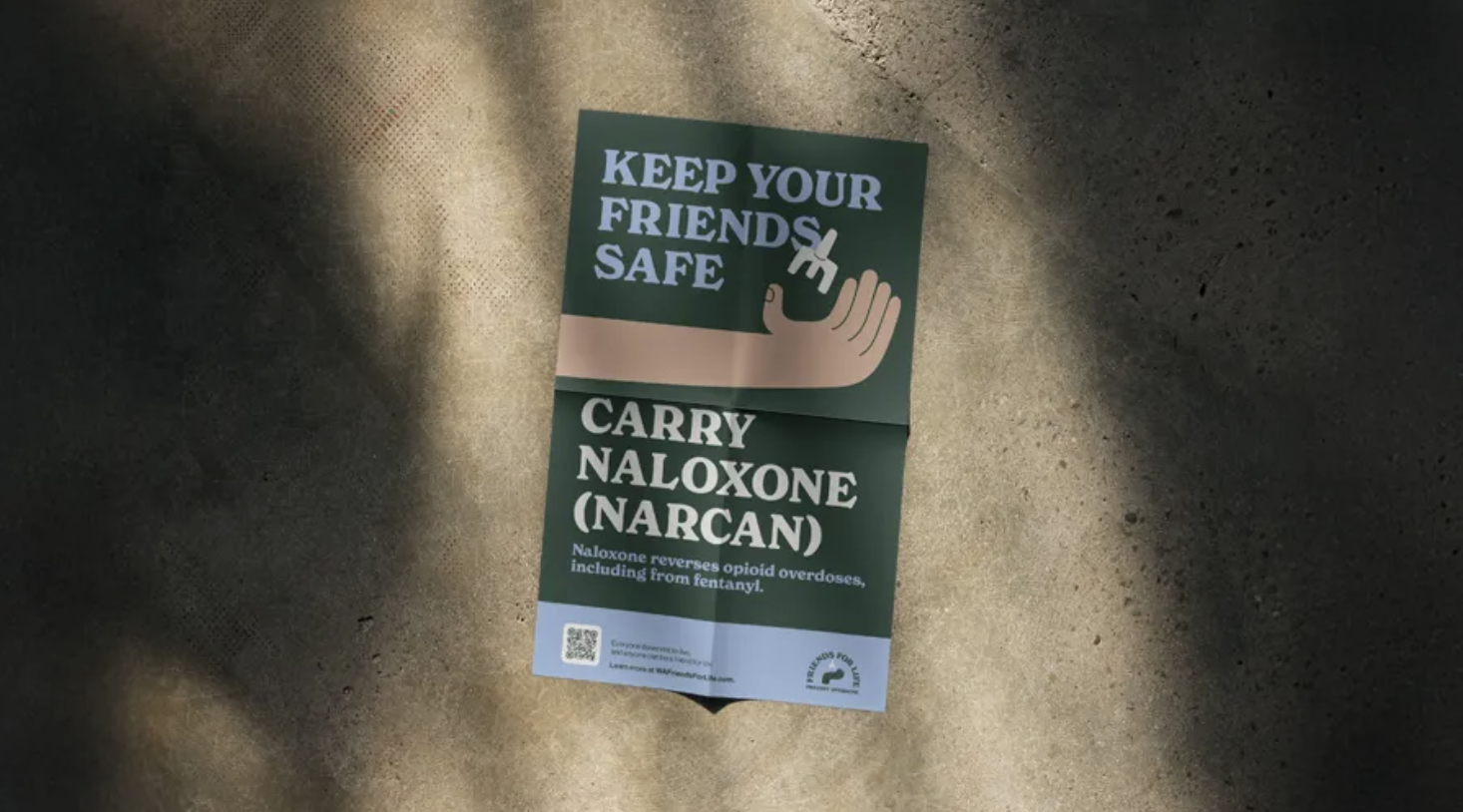
The campaign includes a free toolkit for schools and community organizations with materials in seven languages, including posters, wallet cards and social media content. Technical assistance is available to help districts adapt materials for their communities.
The numbers behind the push
Youth overdose deaths in Oregon dropped sharply, from 106 in 2023 to 59 in 2024, according to OHA. Statewide, overdose deaths fell nearly 25% to approximately 1,153 in 2025, reaching a four-year low, Axios Portland reported May 19.
Still, more than 90% of Oregon's 2025 overdose deaths involved fentanyl, methamphetamine or both, according to OHA.
The agency warns that fentanyl is pressed into counterfeit pills made to look like OxyContin, Xanax, Adderall and Percocet, with no smell, taste or color to identify it.
One statistic drives the campaign's core message: more than half of youth overdose events involved another person being present.
A friend or bystander who recognizes the signs and carries naloxone could call 911 and intervene.
ODE Director Charlene Williams said in the announcement that schools play a role in building trusted relationships that help students make informed decisions and know what to do in an emergency.
The campaign is funded by the federal Substance Abuse and Mental Health Services Administration (SAMHSA) and the Centers for Disease Control and Prevention (CDC).
What's next
Salem residents can access the Friends for Life resources, including naloxone information and the free school toolkit, at orfriendsforlife.com. The site is available in English and Spanish, and prominently explains Oregon's Good Samaritan law, which protects people from prosecution for drug possession when they call 911 for an overdose.
Monday, Aug. 31: International Overdose Awareness Day.