A federal trial that began earlier this week will decide whether Oregon can keep charging companies 17 to 23 cents per pound for the packaging they put into the market.
The case pits the National Association of Wholesaler-Distributors against the state over Oregon's Plastic Pollution and Recycling Modernization Act, one of the nation's first comprehensive packaging recycling laws.
More than 3,000 companies statewide had registered in the program by May 2025, according to a Ballard Spahr LLP analysis of the law's rollout. A U.S. District Court judge halted enforcement against the trade group's members in February 2026, and the trial will now determine whether the program stands.
What it means for Salem
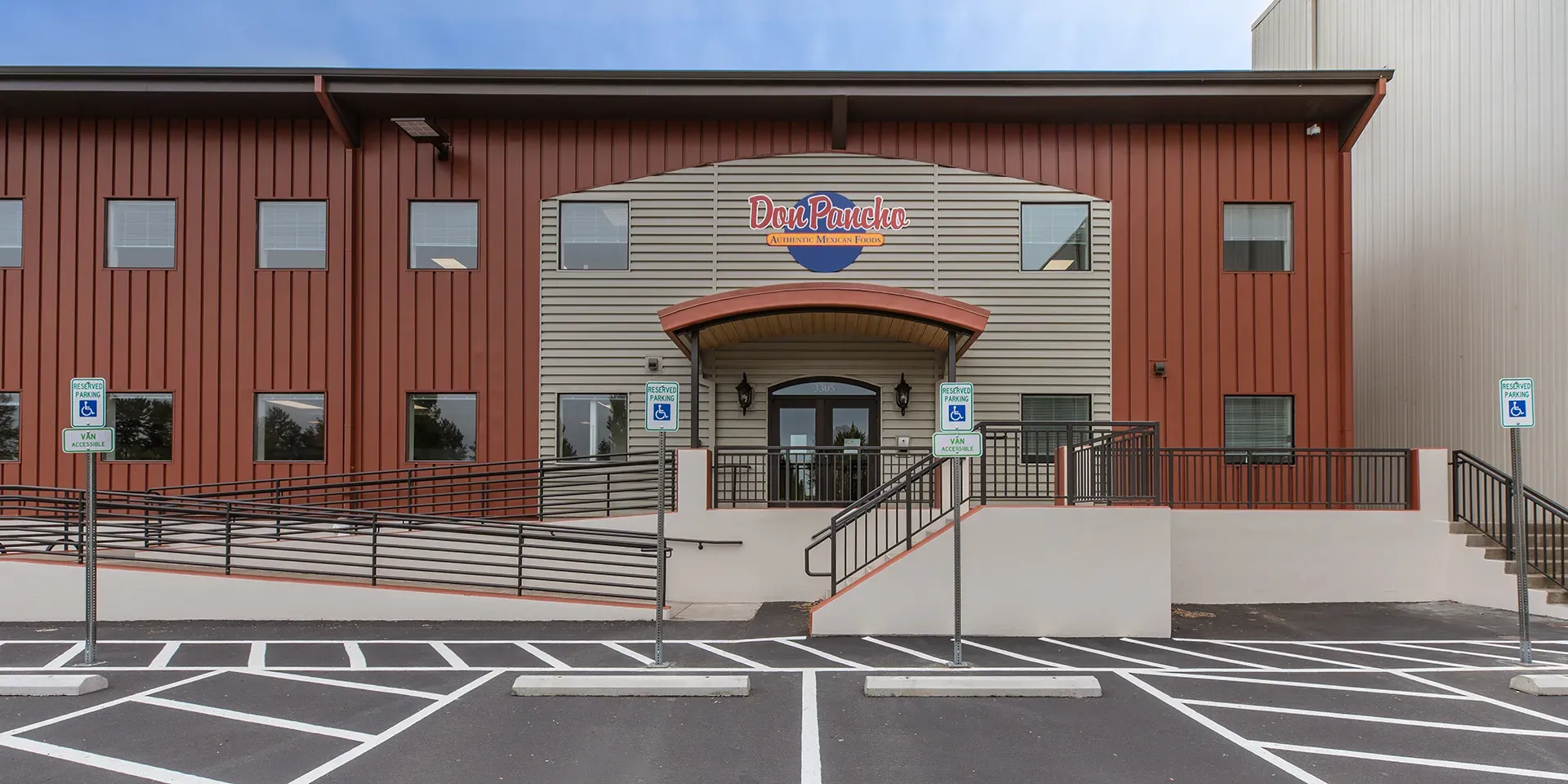
Salem is home to large food manufacturers that would meet the law's coverage thresholds. Don Pancho, a Reser's Fine Foods brand, opened a 300,000-square-foot tortilla and chip manufacturing facility here in September 2025.
Companies of that scale that sell packaged goods in Oregon are required to register, pay fees, and report packaging data under the law. It is unclear which specific local companies have enrolled or received invoices.
Small producers, generally those under $5 million in revenue or responsible for less than one metric ton of covered product, are exempt.
How the program works
The 2021 law requires producers of packaged goods, food service ware, and paper products to join a state-approved Producer Responsibility Organization, pay fees based on packaging weight and material type, and report what they sell.
Oregon's only approved PRO is the Circular Action Alliance, a nonprofit that began issuing invoices in May 2025.
Projected program spending is substantial: $188 million in 2025, ramping to $254 million in 2026 and $289.5 million in 2027, according to an industry analysis of the Alliance's operating plan.
Why wholesalers sued
NAW filed its lawsuit on Wednesday, July 30, 2025, arguing the program violates the U.S. Constitution on two fronts. The dormant Commerce Clause claim contends that out-of-state distributors face higher costs to separate Oregon-bound products from goods headed elsewhere.
The due process claim targets the Circular Action Alliance's confidential fee methodology, which offers no public regulatory review and limits challenges to binding arbitration.
"This model, we think, is completely unconstitutional," Karen Harned, NAW's director of litigation and legal policy, told Resource Recycling. "It lacks due process, and it empowers the PRO to act as a governmental entity in every step of the way."
NAW's complaint alleges some assessed fees exceed product margins entirely, effectively banning certain goods from Oregon.
On February 6, the court granted a preliminary injunction blocking enforcement against NAW members, finding "serious questions" on the merits. But the injunction covers only NAW members. Oregon issued warning letters in April 2026 threatening fines of up to $25,000 per day for noncompliant companies outside that group.
Six other states are watching
Colorado, California, Maine, Maryland, Minnesota, and Washington have enacted similar packaging EPR laws. The Circular Action Alliance has been approved as the PRO in six of those seven states.
A ruling for NAW could force those states to overhaul how fees are set and reviewed. A ruling for Oregon would confirm the model's constitutionality nationwide.
No timeline for a verdict has been announced. Salem businesses not covered by the injunction remain subject to the law's requirements and potential penalties while the case plays out.