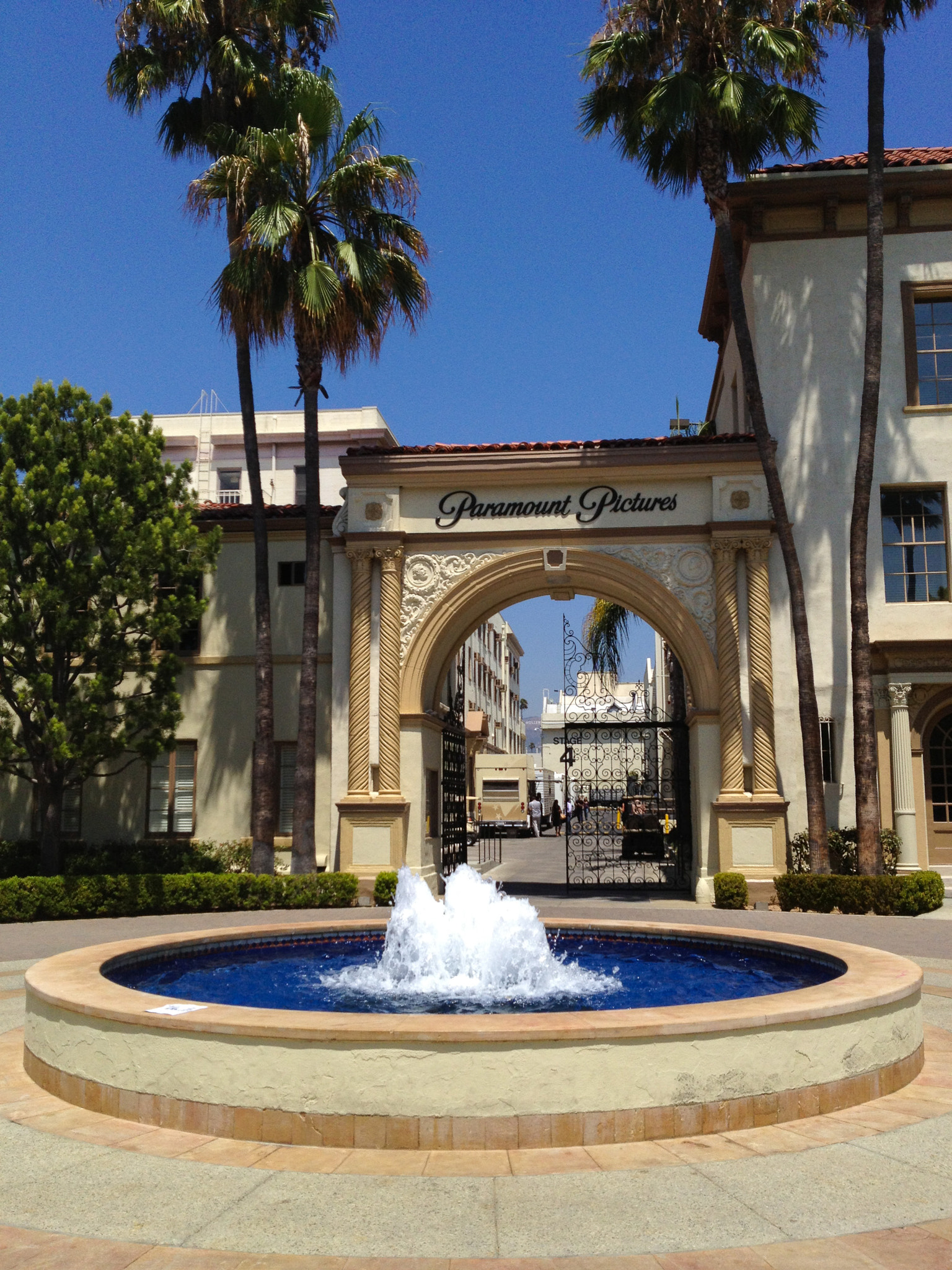
Paramount has agreed to delay its roughly $110 billion merger with Warner Bros. Discovery until at least June 2027, after a federal judge sided with Oregon Attorney General Dan Rayfield and 11 other state attorneys general who argued the deal would crush competition in the film and cable industries.
U.S. District Judge Araceli Martínez-Olguín issued a temporary restraining order on July 20, blocking the companies from closing the transaction.
Five days later, on July 25, Paramount entered a joint stipulation agreeing not to finalize the deal until five days after an antitrust trial or June 1, 2027, whichever comes first.
"This proposed merger could mean real harm for Oregonians — for working families who will see higher costs and fewer options, for the small businesses and workers in our film and TV industry and for our local movie theaters," Rayfield said when the restraining order was granted.
Salem's indie theater and the local stakes
Rayfield's reference to "local movie theaters" resonates in Salem, where Salem Cinema is the city's only independently owned theater.
The three-screen venue at 1127 Broadway St. NE, owned by Loretta Miles, specializes in art, foreign and independent films. It opened on Christmas Day 1982 and moved to its current location in spring 2009.
Salem Cinema's programming leans toward non-studio fare, so the merger's most direct threat would be to theaters showing wide-release blockbusters.
But the states' lawsuit argues that consolidating two of the five remaining legacy studios would squeeze distribution channels broadly, giving the merged company outsized bargaining power over all theaters and cable distributors.
What the lawsuit alleges
According to the complaint filed in U.S. District Court for the Northern District of California, the combined company would control 27% of the wide-release theatrical distribution market, 30% of the "anticipated blockbuster films" submarket, and more than 50 basic cable channels. All five legacy studios together already control 86% of theatrical distribution and 90% of blockbuster distribution.
"On this combined firm market share alone, the Court is persuaded that it can presume the proposed merger is likely to violate antitrust laws," Judge Martínez-Olguín wrote in her July 20 order.
The Writers Guild of America filed a separate lawsuit arguing the merged company would hold 35% of the market for writing services on top-grossing films, threatening wages for screenwriters across the industry.
The cost of delay
Paramount had planned to close the deal by September 2026. The U.S. Department of Justice approved the merger in June 2026 with no conditions. But the state attorneys general, including California's Rob Bonta, who filed the case, moved faster than the companies expected.
The delay carries a steep price. Paramount faces a "ticking fee" of roughly $7 million per day beginning after Sept. 30, 2026, for every day the deal remains unclosed. If the merger collapses entirely due to lack of regulatory approval, Paramount owes Warner Bros. Discovery a $7 billion termination fee.
Paramount said in a July 25 statement that the delay was "the fastest and clearest way to prove that this transaction is good for competition, good for consumers, and good for creators."
What's next
The states plan to seek a trial in 2027. No trial date has been set. Paramount and Warner Bros. Discovery will continue operating as separate, competing companies at least until June 1, 2027.