A mental health program that started in Marion County 25 years ago has helped roughly 6,500 young Oregonians recover from psychosis, and its Salem office is still taking referrals.
The Early Assessment Support Alliance, known as EASA (pronounced "ee-suh"), serves people ages 12 to 30 who are at risk for psychosis or experienced their first episode within the past 12 months.
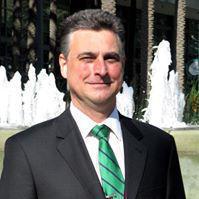
About 700 people are enrolled statewide at any given time, EASA Director Megan Sage told the Oregon Capital Chronicle in a story published Monday, Sept. 14.
Oregon is the first state to run a statewide early psychosis intervention program, according to the Oregon Health Authority.
Marion County roots
EASA traces directly to Salem. The program launched in 2001 as the Early Assessment and Support Team (EAST) through the Mid-Valley Behavioral Care Network, an intergovernmental managed mental health care program covering Marion, Polk, Linn, Yamhill and Tillamook counties, according to the EASA team manual.
The Oregon Legislature funded statewide expansion in 2008, and the program now operates in every county.
The EASA Center for Excellence is a collaboration between Portland State University and Oregon Health & Science University through the OHSU-PSU School of Public Health, sponsored by the Oregon Health Authority.
How it works
Speed is central to the model. Once someone is referred, a team aims to make contact within two business days, according to the OHA. Services generally last two years and can include medication, counseling, family support and peer support groups.
Enrollment is open regardless of ability to pay, insurance status or immigration status.
The program recently expanded its upper age limit from 27 to 30, according to the OHA.
About 60% of clients who complete the program do not receive disability benefits afterward, Sage said. Some graduates may require longer-term support and medication management. EASA helps each person build a plan in case symptoms return.
"We really try to communicate the hope that recovery is not only possible; it's probable and it's highly likely," Sage told the Oregon Capital Chronicle.
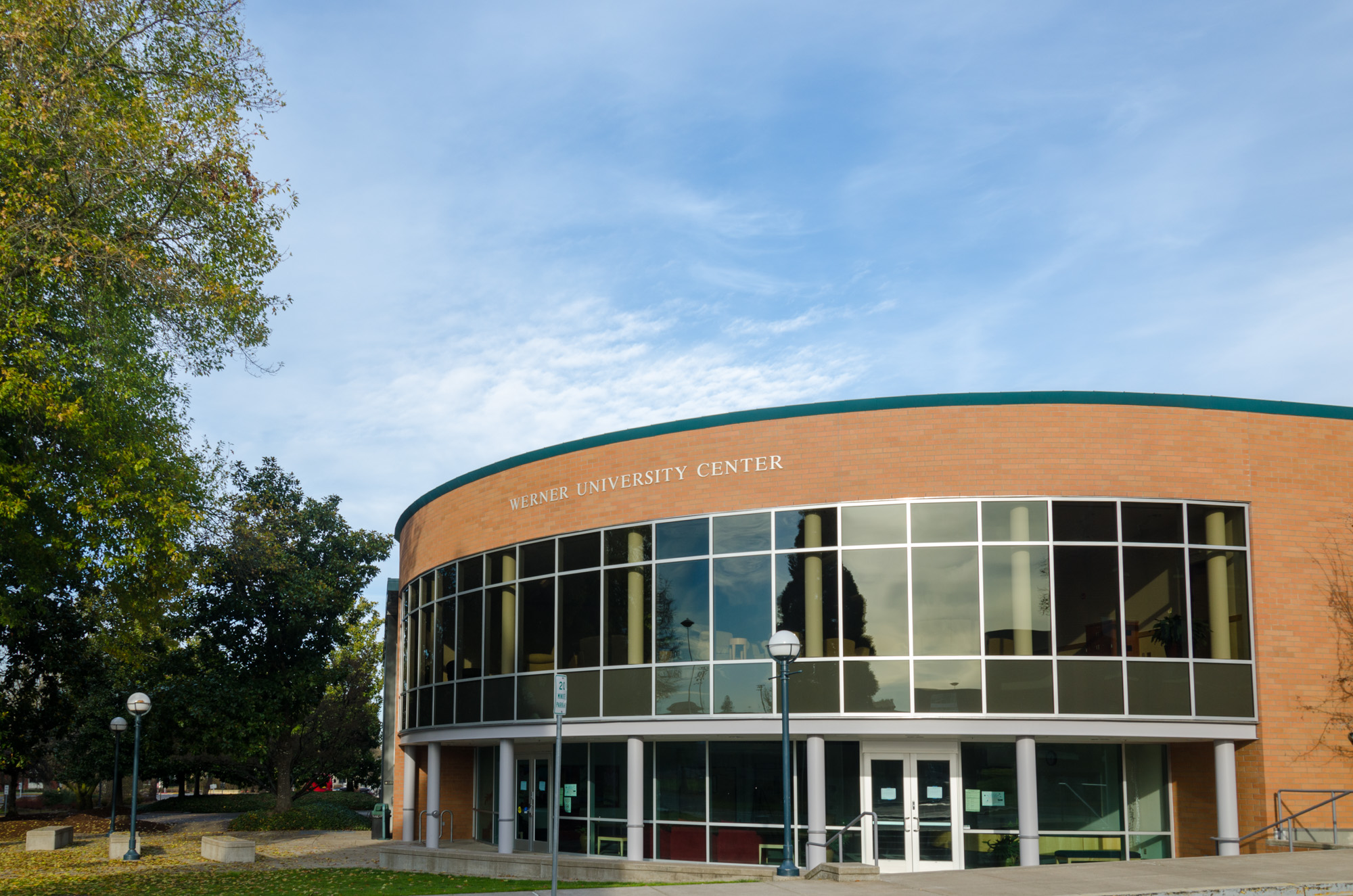
Salem-area residents who want to learn more about the Marion County program can reach the office at 3180 Center St. NE by calling (503) 566-2990 or visiting easacommunity.org.