Thousands of Oregonians could lose their housing if the Trump administration succeeds in dismantling the federal Housing First model, the head of a Salem-based anti-poverty agency warned.
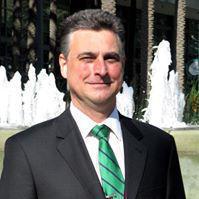
Jimmy Jones, executive director of Mid-Willamette Valley Community Action Agency, said 4,000 to 5,000 people statewide could be pushed back into homelessness under new federal funding rules, as first reported by KATU. The agency, headquartered in Salem, runs the ARCHES Day Center, the ARCHES Family First Resource Center and Feed the People.
"I think we're going to see a lot more people become homeless, we're going to see a lot less help available, and we're going to see a lot more people on the streets," Jones said.
The shift traces to an executive order President Trump signed July 24, 2025, directing federal agencies to treat homelessness as a public safety issue. Housing First gives people permanent housing without requiring sobriety or treatment first. The new policy favors transitional housing lasting up to two years, with required addiction treatment, according to U.S. News & World Report. HUD said the reforms aim to address what it called the root causes of homelessness and hold grantees to higher standards of effectiveness.
HUD's Continuum of Care program, the largest federal homeless services program at $3.9 billion, funded 6,500 projects in 2024. More than 60% of that money went to permanent supportive housing. Trump's proposed fiscal year 2027 budget would eliminate the program entirely.
Courts have slowed the rollout. U.S. District Judge Mary McElroy blocked HUD's 2026 funding rules on Aug. 7, ruling the agency violated the Administrative Procedure Act (APA) by skipping public notice and comment, Courthouse News reported. It was the second time McElroy blocked HUD's attempts to cap permanent housing funding. Oregon joined a 24-state coalition in the lawsuit.
HUD is not backing down. On Sept. 11, the agency published a new Federal Register notice proposing to reward Continuum of Care participants for treatment-first policies, sober living, law enforcement partnerships and transitional housing, the Oregon Capital Chronicle reported. The public comment period runs through Oct. 13.
For Salem providers, the federal tug-of-war creates a bind. Oregon requires providers to follow Housing First principles to receive state dollars. HUD's new criteria push in the opposite direction. Providers told InvestigateWest the conflict could force them to choose between state and federal funding, leading to significant downsizing and displacement.
Jones said new federal criteria could mean less money for services that keep people housed and fewer paths into housing. Mid-Willamette Valley Community Action Agency is applying for federal funding under the new rules.
After a December 2025 court injunction, Salem-area homeless services saw little change in federal money for 2026, Salem Reporter noted. The Oct. 13 comment deadline on HUD's latest proposal is the next chance for residents and providers to weigh in.