Rogue Ales & Spirits shut its West Salem pub without warning on Nov. 14, 2025, part of a statewide shakeout that cost Oregon 77 vineyards and 33 wineries last year.
Employees at the West Salem location learned by company-wide message at 8 a.m. that the brewery was closing all operations, The Oregonian reported. Carinna Stanton, a manager there, said the announcement came with no advance notice, two weeks before Thanksgiving. Rogue owed $545,000 in back rent to the Port of Newport and had seen an 18% drop in sales in 2024.
The closure was one signal of a broader contraction now documented in hard numbers. Oregon's 2025 wine grape production fell 25%, case sales dropped 16% to 4.9 million and the total value of wine sales slid 11% to $812 million, according to the 2025 Oregon Vineyard and Winery Census reported by Capital Press. The North Willamette Valley, home to 879 vineyards, lost 56 of them in a single year.
Canada drove the steepest export decline. Eight provinces banned American alcohol imports in retaliation for U.S. tariffs. Oregon wine exports to Canada fell 83% to 13,500 cases. Canada had accounted for nearly half of Oregon's 169,000 export cases in 2024.
"This is the most catastrophic single year trade disruption in the history of U.S. wine exports," Jana McKamey, executive director of the Oregon Winegrowers Association, said during an Aug. 13 press call reported by Capital Press. Her organization represents two-thirds of Oregon's wine production.
The U.S. had a $254 million wine trade surplus with Canada in 2024. That flipped to a $90 million deficit in 2025, McKamey told KOIN. Canadian tourism to Portland fell 30% as of May 2026, cutting into tasting room revenue for small, family-owned producers.
Oregon importers paid nearly $3 billion in tariffs between March and December 2025, according to a tariff impact analysis from Gov. Tina Kotek's office. The state's exports fell 17%, costing businesses an estimated $442 million.
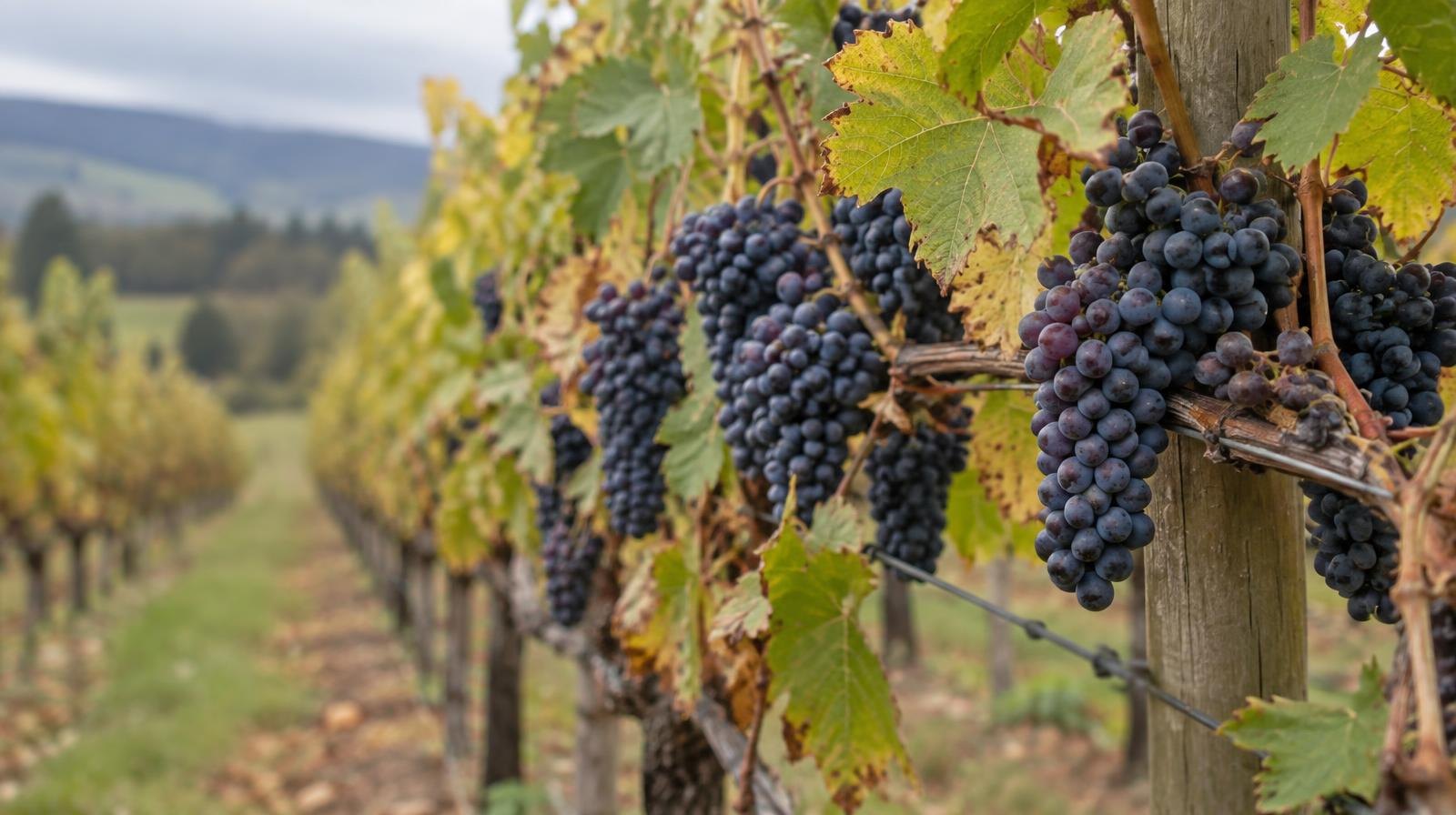
Nearly half of Oregon grape growers sold fruit below cost in 2025. About 23% removed vines entirely. Another 52% left some fruit unharvested, with contract cancellations the most-cited reason.
Tariffs are only one factor. Paul Durant, owner of Red Ridge Farms in the Dundee Hills, told OPB on Oct. 6 that the 2008 recession had a clear cause, but this downturn layers multiple pressures: cannabis competition, younger drinkers choosing non-alcoholic options, the World Health Organization's 2023 declaration that alcohol is "a toxic, psychoactive substance" and GLP-1 weight-loss drugs curbing appetite for wine. Oregon's vineyard count has more than doubled since 2000, when the state had 480, according to Oregon State University.
Durant is adjusting. He cut per-acre grape production from 4 tons to about 3 by trimming vines in winter. He is working with OSU's Food Innovation Center on a pinot noir and chardonnay-based seltzer. And he has shipped wine to an importer in São Paulo, Brazil, seeking new markets to replace lost Canadian sales.
Craft beer faces parallel pressure. National craft beer production fell more than 5% in 2025, according to the Brewers Association. Oregon has lost nearly 75 breweries, taprooms or brewpubs since the pandemic, The Oregonian reported. Lisa Allen, president of the Oregon Brewers Guild, told OPB that Oregon's craft beer sector is holding up better than the national average, with breweries diversifying into non-alcoholic options, kombucha and hop waters.
No resolution date for the U.S.-Canada trade dispute has been announced. McKamey told CBC News in August that rebuilding export relationships will take time even after Canadian provinces restore U.S. alcohol to shelves. Red Ridge Farms expects a 350-ton grape harvest this fall, with 80 tons going to its own wine and the rest to long-term buyers.